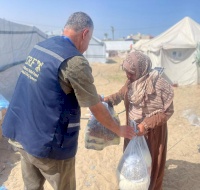
Palestinian families facing crisis have access to comprehensive humanitarian support through a network of established international organizations and specialized nonprofits. The Palestine Children's Relief Fund (PCRF), which has maintained a presence in the region for over 30 years, provides urgent medical aid, treatment, food, water, and necessities for affected families while focusing on rebuilding healthcare facilities. The United Nations Relief and Works Agency (UNRWA) serves as a cornerstone of support, offering primary healthcare, education, relief services, and emergency response to over 5 million registered Palestinian refugees across the region. These organizations work alongside groups like UNICEF, which mobilizes resources to provide safe drinking water, treatment for malnourished children, and basic mental health services in camps and shelters.
Emergency humanitarian assistance addresses the most immediate needs of displaced families through coordinated relief efforts. Organizations like Islamic Relief USA and Anera work with local partners to distribute millions of hot meals, deliver critical medical supplies to healthcare facilities, and provide temporary shelter for displaced individuals and families. Medical Aid for Palestinians (MAP) has provided vital healthcare and humanitarian aid to nearly one million Palestinians across Gaza in 2024 alone, representing the largest humanitarian response in the organization's history. These emergency interventions focus on ensuring access to clean water, medical care, and basic necessities during periods of acute crisis.
Mental health and psychological support services represent a critical component of aid for Palestinian families, addressing the widespread trauma and psychological distress affecting the population. Medical Aid for Palestinians and the Gaza Community Mental Health Programme provide specialized services including case management for mental illness, family support programs, community awareness campaigns to reduce stigma, and training for community leaders. UNICEF operates 12 family centersacross Gaza that provide psychosocial services to over 15,200 children in the past year, offering structured group activities, child protection training, and individualized case management for children facing protection risks. The World Health Organization has also implemented programs to integrate mental health care into primary healthcare services by training non-specialist health workers to identify and treat mental health conditions.
Long-term development programs complement emergency aid by focusing on sustainable solutions that help families rebuild their livelihoods and communities. These initiatives include agricultural support for small farmers practicing sustainable farming, infrastructure improvements in refugee camps, microfinance opportunities, and educational programs. Organizations like Anera address development needs through grassroots solutions that deliver lasting change, with staff in the Middle East serving the communities they come from. The Palestine Children's Relief Fund has established permanent healthcare infrastructure, including pediatric cancer departments and intensive care units, designed to strengthen the region's healthcare system for the long term.
Access to these support services typically occurs through direct outreach by humanitarian organizations, referrals from healthcare providers, or by contacting the organizations directly through their established channels. Many organizations maintain local partnerships and offices in the Palestinian territories, enabling them to assess needs on the ground and coordinate responses effectively. Families seeking immediate assistance can reach out to organizations like PCRF, UNRWA, MAP, or UNICEF, while those needing specialized mental health support can access services through the Gaza Community Mental Health Programme or platforms like Ruh Care, which offers volunteer therapy sessions with licensed therapists. The coordinated approach among these organizations helps ensure that families receive comprehensive support addressing both immediate humanitarian needs and longer-term recovery and development goals.
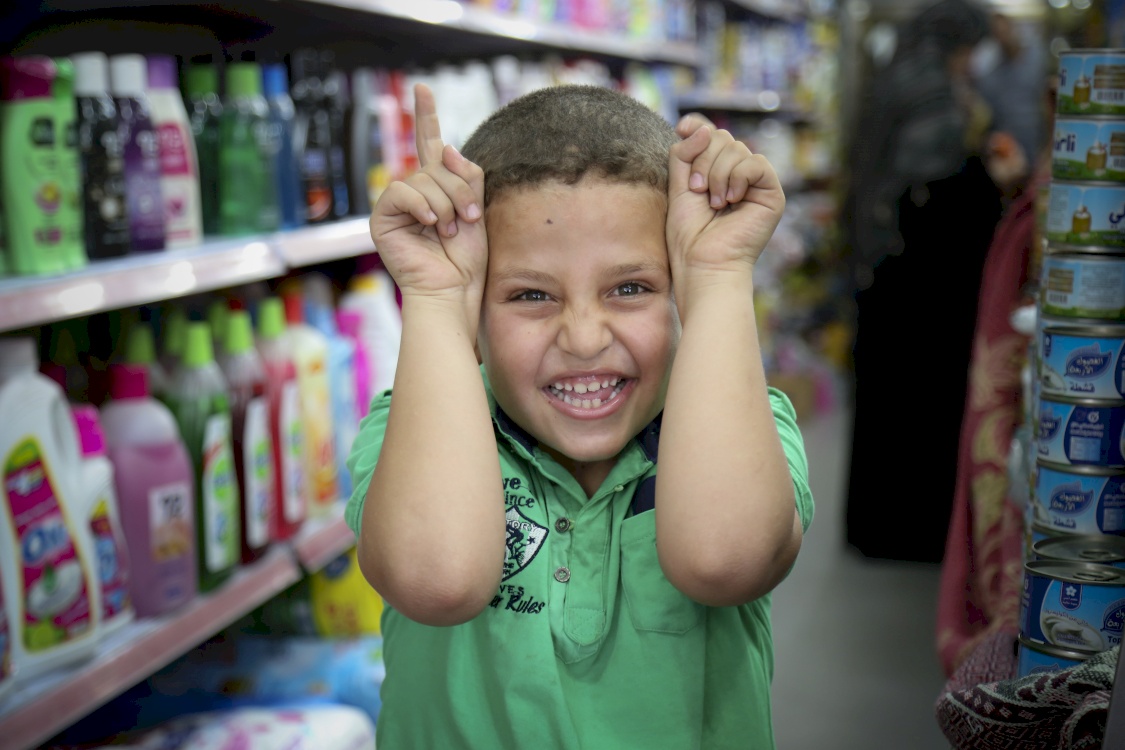
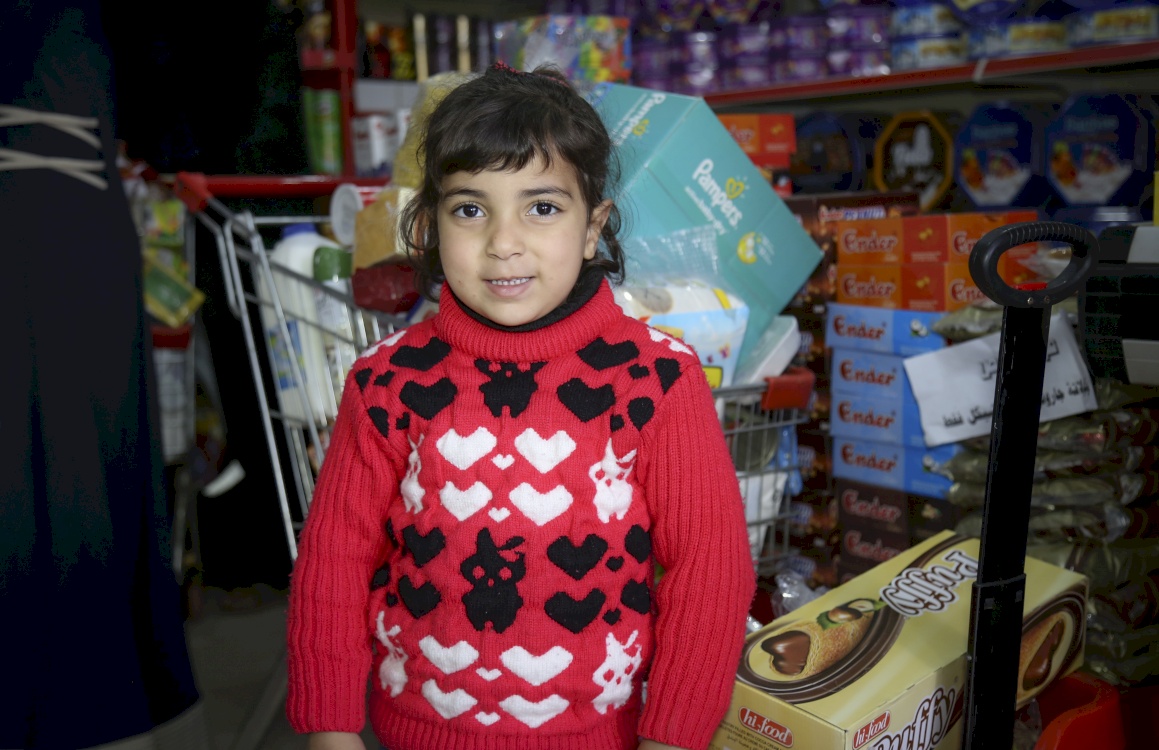
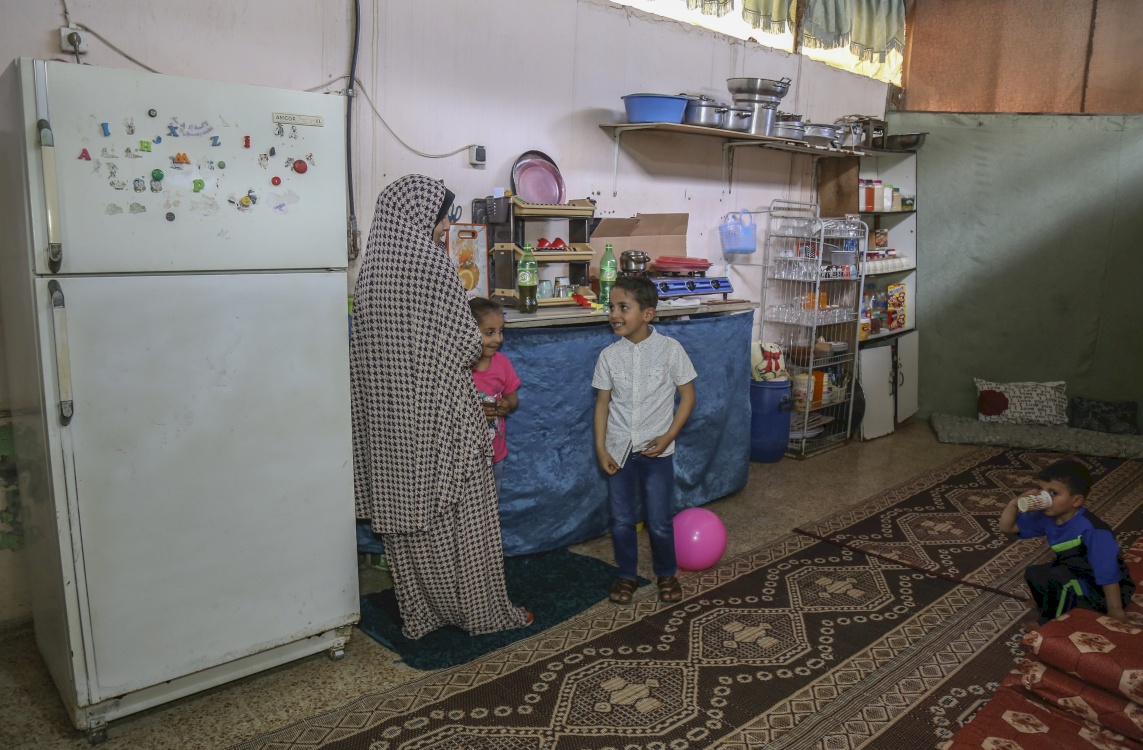
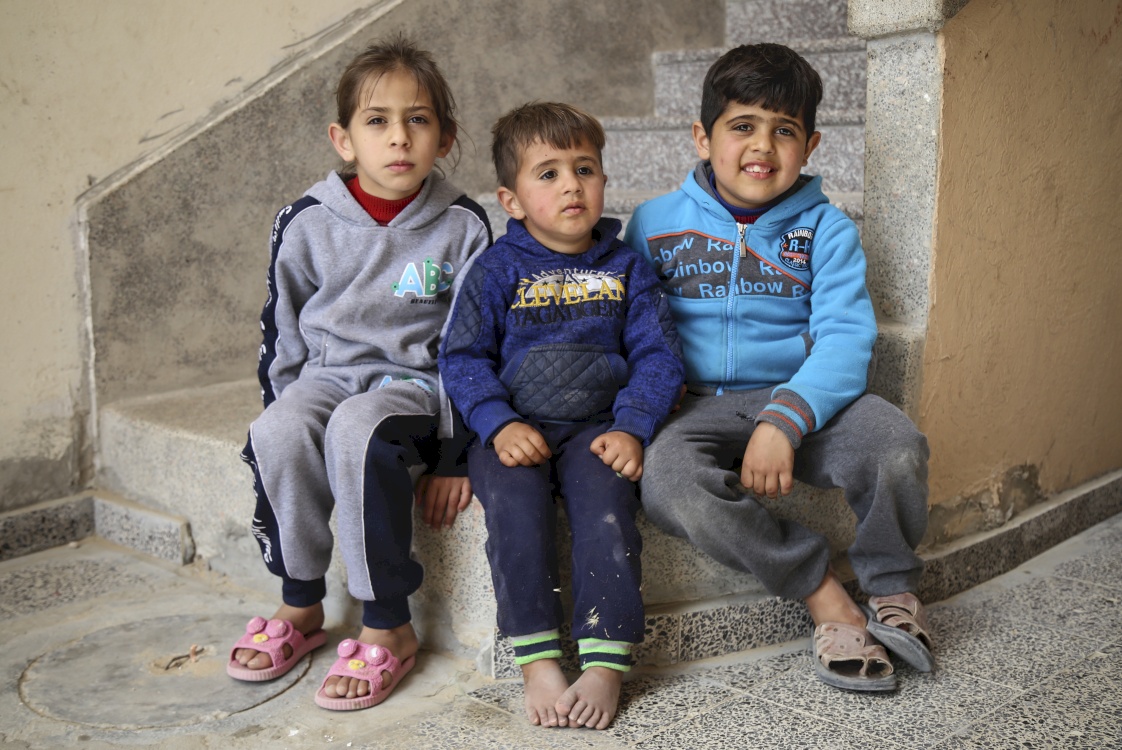
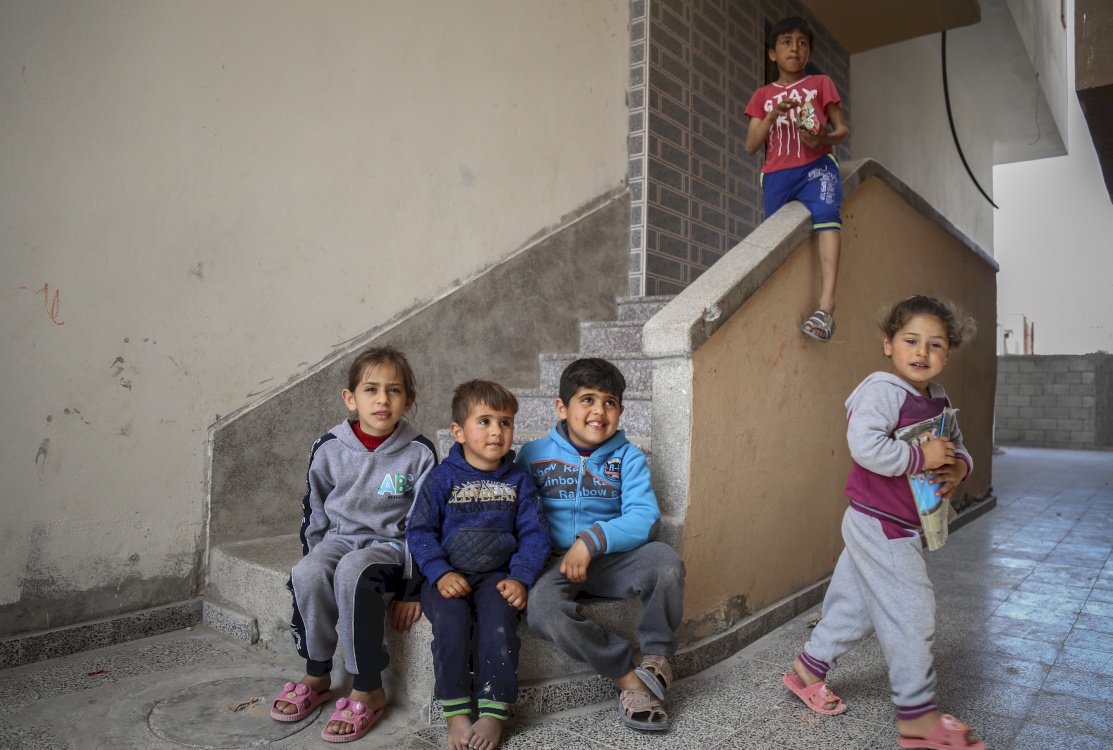
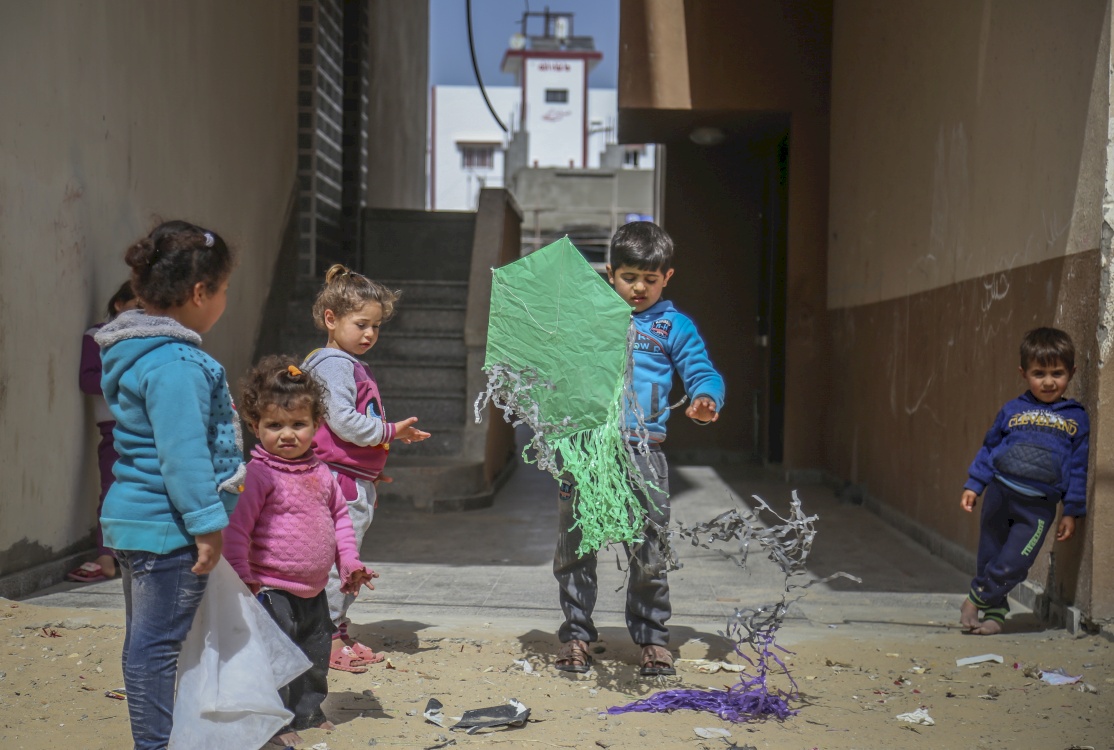
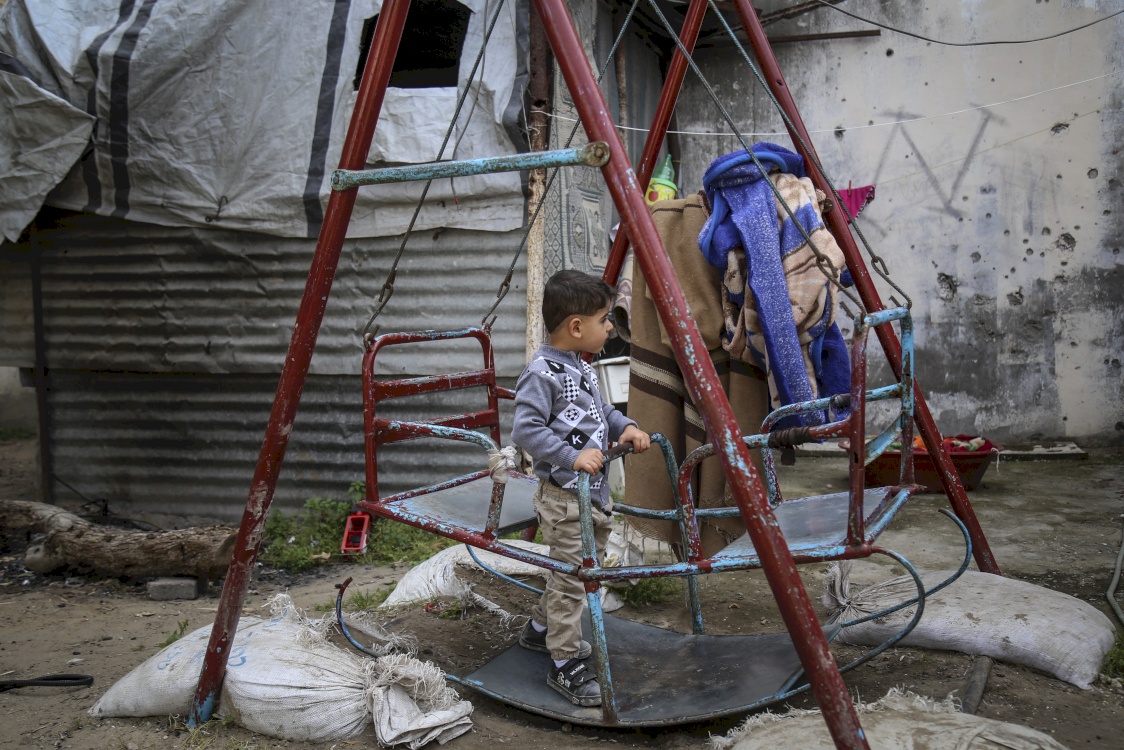
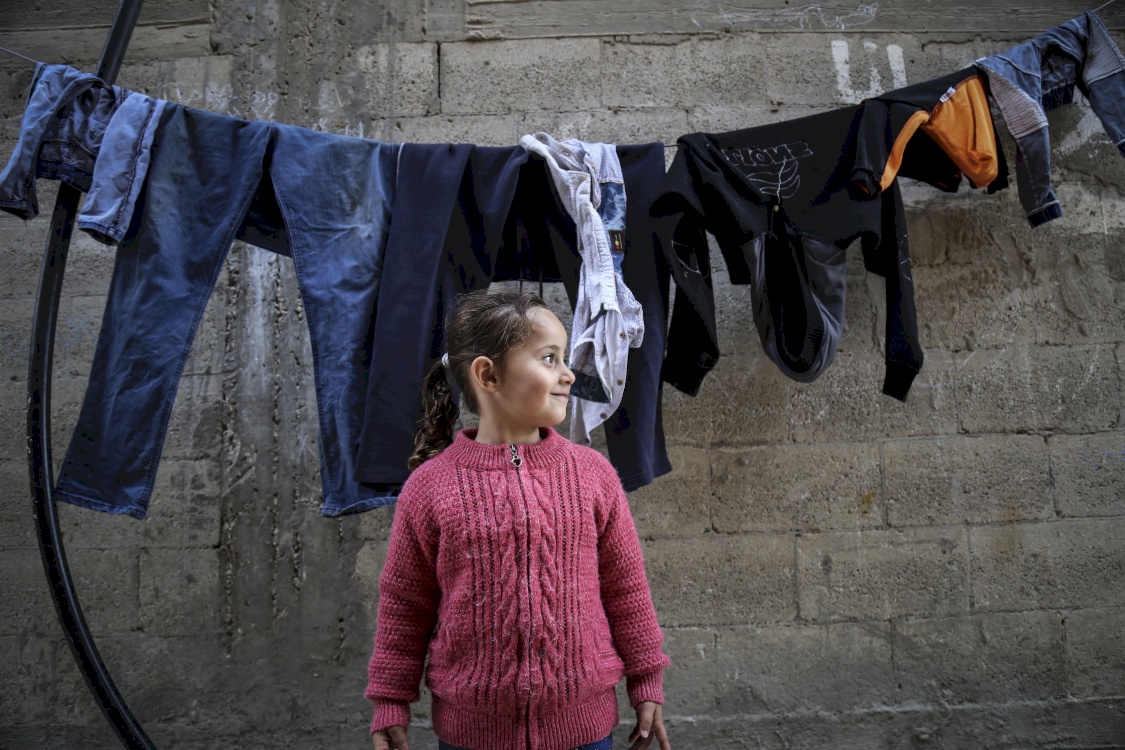
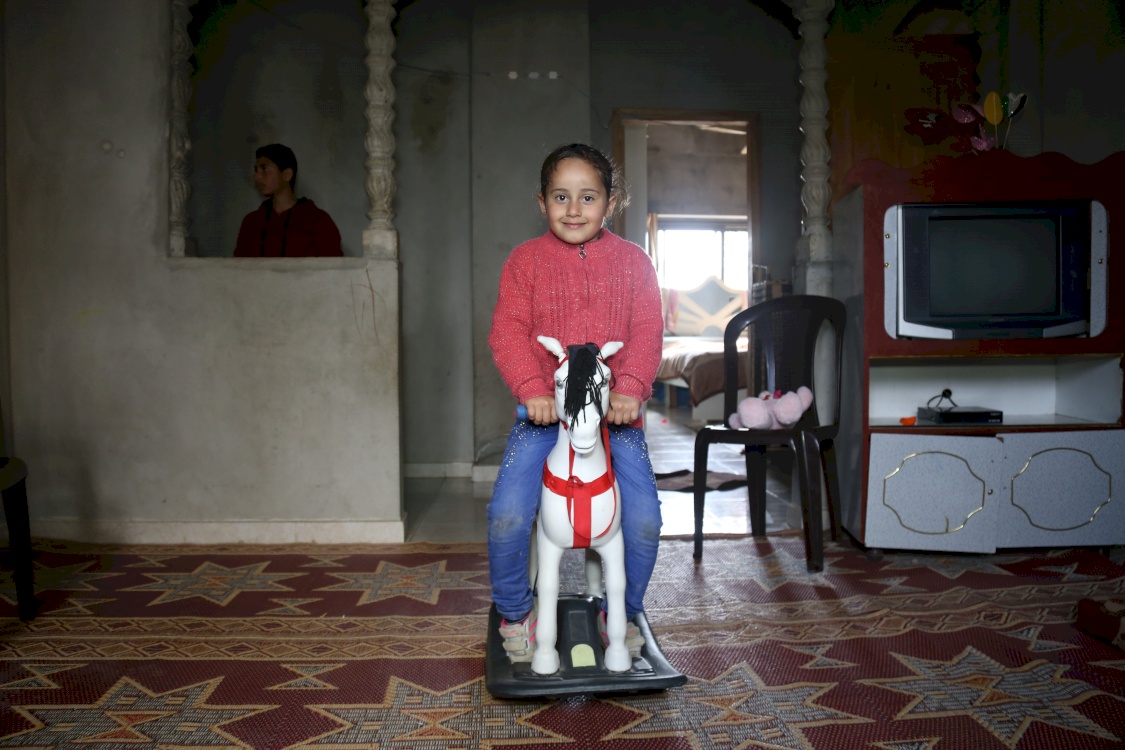
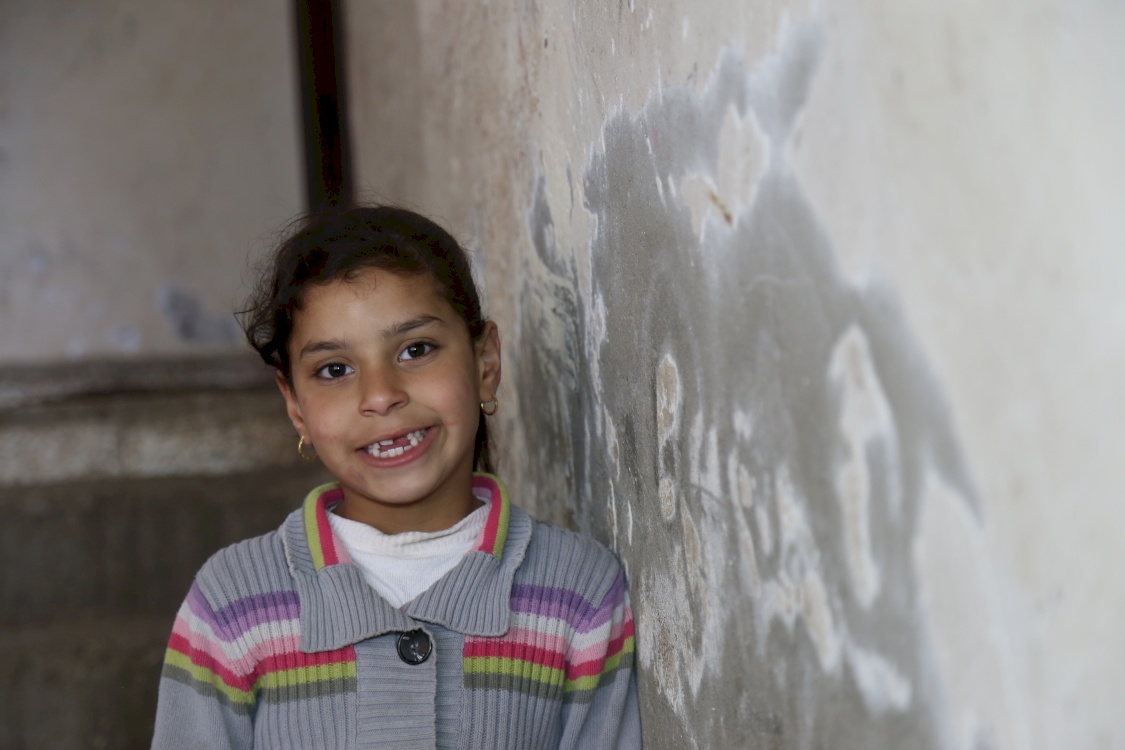
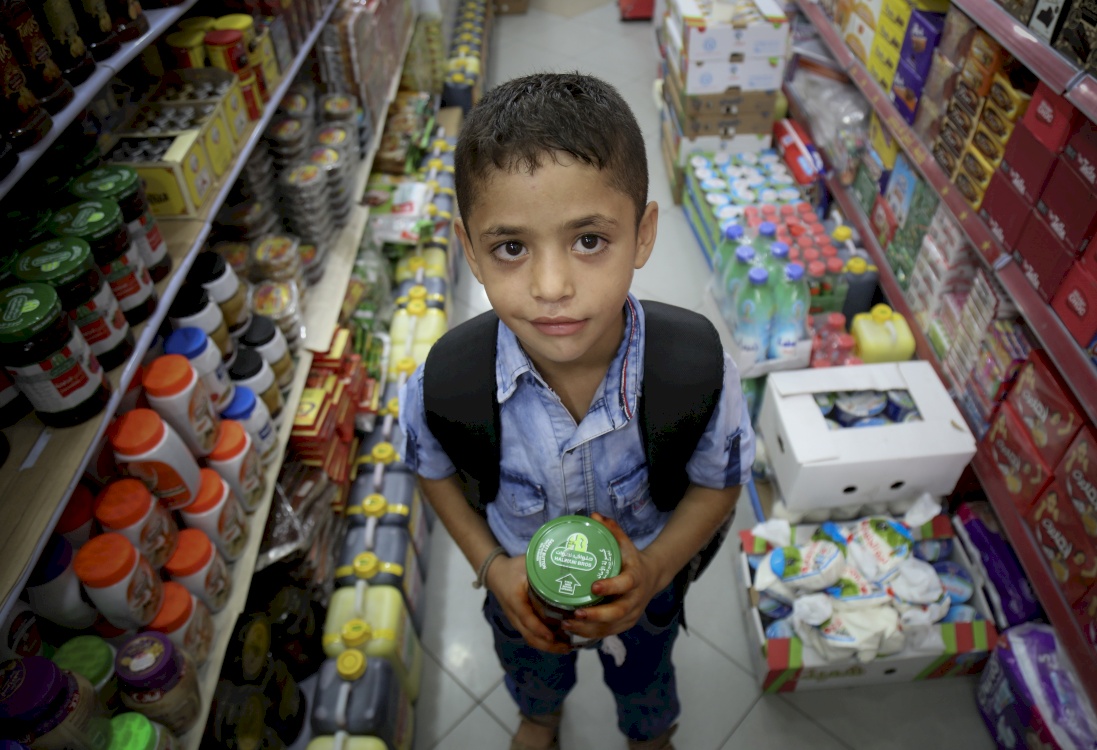
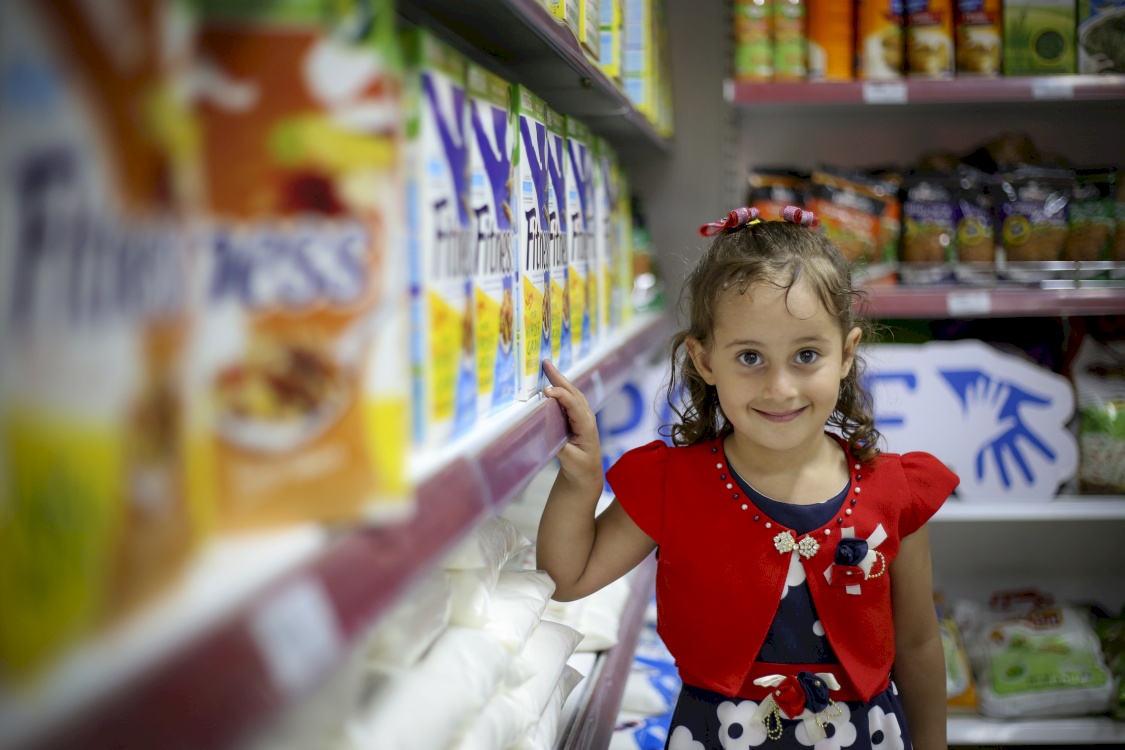
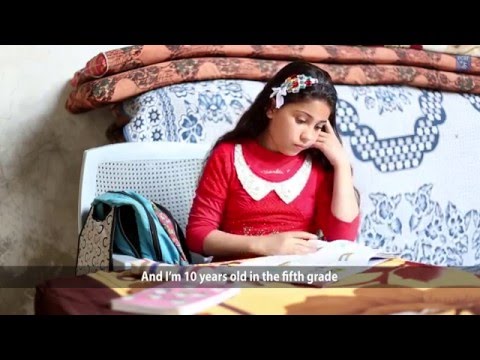
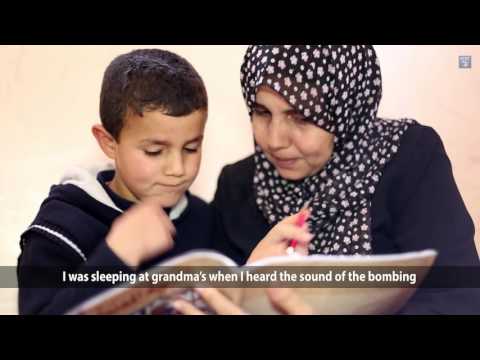
After the 2014 conflict in Gaza, hundreds of children were orphaned and left in desperate need of essential humanitarian aid, including food, medicine, and clothing. To address this urgent need, we established a comprehensive humanitarian program dedicated to ensuring the well-being and livelihood of orphaned children in Gaza.
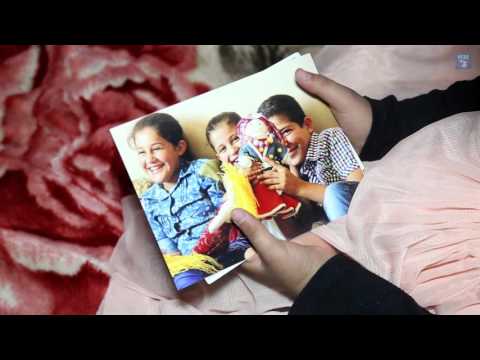
Through the generous support of our sponsors, PCRF field workers are able to provide these children with food, clothing, medicine, and other basic necessities. Our sponsors receive regular updates on the orphans they support, including photos and detailed progress reports, allowing them to see the direct impact of their contributions.
This program is part of our broader general fund for Emergency Orphan Care in Gaza. This fund allows us to respond swiftly and effectively to the needs of orphaned children in both regions, whether or not they have individual sponsorships. Contributions to this general fund help us support orphaned children through various programs and projects, ensuring that their immediate and ongoing needs are met.
By contributing to this general fund, you can play a vital role in providing all-around emergency care for orphans, offering them hope and stability in the aftermath of conflict.
This is why this program is so important to the lives of these children in Gaza
To Sponsor an Orphan, kindly provide your contact details, and a member from our team will get in touch with you.