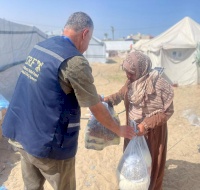
Addressing the needs of Palestine refugees demands both urgent humanitarian assistance and sustainable long-term development initiatives. Daily necessities such as sanitation products, cold-weather gear, and cooking fuel are fundamental requirements. Specialized organizations like the Palestine Children's Relief Fund (PCRF) deliver targeted medical care and humanitarian assistance specifically designed for refugee children's needs. Critical short-term priorities include nutritional support, potable water access, healthcare services, and safe housing. Trauma counseling and psychological care services are vital for supporting families and individuals as they work through grief and build emotional strength. Looking beyond emergency response, refugees must have opportunities for quality schooling, skills development programs, and income-generating activities that foster financial independence. Access to legal support and rights advocacy continues to be a pressing concern. Most fundamentally, refugees depend on sustained international commitment to diplomatic solutions that tackle the underlying causes of their displacement and establish clear paths toward autonomy, safety, and human dignity.
The difficulties confronting Palestine refugees form an intricate network of problems affecting every dimension of their existence. Medical facilities operate beyond capacity with insufficient resources, denying many people necessary healthcare, psychological counseling, or prescription medications for ongoing health issues. Within refugee settlements, excessive population density and deficient infrastructure result in inadequate access to potable water, functioning sanitation systems, and consistent electrical power. Regulatory barriers in certain host nations restrict refugees' employment options, property ownership rights, and freedom of movement. Income-generating prospects are essentially absent, forcing households to rely entirely on relief assistance without routes to economic self-reliance. Schooling faces severe interruption through damaged educational facilities, insufficient educators and materials, and students too affected by trauma or malnutrition to engage in learning. The emotional burden of extended displacement, bereavement, and continuous instability is profound—multiple generations are maturing amid suffering, loss, and unpredictable futures, as sustaining optimism grows progressively harder.
Support for Palestine refugees flows from diverse channels including private contributions, governmental allocations, multilateral institutions, and charitable foundations. Additional key participants include the Red Cross International Committee, global relief organizations such as Médecins Sans Frontières and Save the Children, along with Palestinian groups operating within refugee populations. UNRWA, the United Nations agency specifically mandated to assist Palestine refugees, delivers educational services, medical programs, emergency relief, and social welfare to millions throughout its operational regions. Community workers and local representatives who comprehend each settlement's particular circumstances and requirements are instrumental in guaranteeing assistance reaches families facing the greatest hardship. The delivery of relief requires intricate planning and cooperation: materials are obtained from international or regional markets when feasible, moved across border points and security barriers, kept in storage facilities, and dispersed via educational institutions, medical centers, gathering spaces, and roving distribution units. Despite persistent obstacles from access limitations, insufficient funding, and safety concerns that continuously hinder relief operations, aid workers maintain their commitment to assisting Palestine refugees with respect while ensuring global contributions result in concrete enhancements to everyday living conditions under exceptional circumstances.
Palestine refugees encompass both the numerous Palestinians and their offspring who lost their residences during the 1948 conflict and later hostilities, plus individuals recently forced from their homes by present circumstances. Recent intensification has generated new displacement patterns, forcing countless thousands to abandon their residences throughout Gaza in search of temporary sanctuary. Throughout 2025, substantial numbers of Palestine refugees remain in settlement camps spanning Gaza, the West Bank, Jordan, Lebanon, and Syria—with some families residing there across several generations. Young people raised within these camps have experienced nothing beyond displacement, scarce resources, and constrained opportunities, producing trauma that spans generations and pervades whole communities. These populations encounter layered difficulties: established camp residents contend with insufficient infrastructure and limited economic possibilities, whereas recently displaced households have forfeited all possessions and confront urgent survival requirements.
Providing meaningful assistance to Palestine refugees necessitates combining personal contributions with collective activism. Establishing automatic monthly contributions instead of sporadic donations enables organizations to forecast resources more accurately and deliver steady assistance. Begin by contributing to established humanitarian agencies with extensive experience serving Palestine refugees—seek organizations demonstrating financial accountability, demonstrated effectiveness, and holistic programs tackling various challenges. Leverage your networks and visibility to combat false narratives and increase understanding of refugees' lived realities and requirements. Expand your knowledge regarding Palestine refugees' historical background and contemporary circumstances through literature, connecting with Palestinian media professionals and community advocates, and examining direct testimonies. Back Palestinian entrepreneurs, artistic endeavors, and learning initiatives that sustain cultural identity and generate possibilities. Press government representatives for ongoing humanitarian appropriations, backing for UNRWA (the dedicated UN refugee agency), and legislation safeguarding refugee protections. Coordinate fundraising activities within your local area, employment setting, or religious institution to amplify your contributions. Above all, maintain ongoing involvement instead of fleeting interest—Palestine refugees require enduring partnership and support.
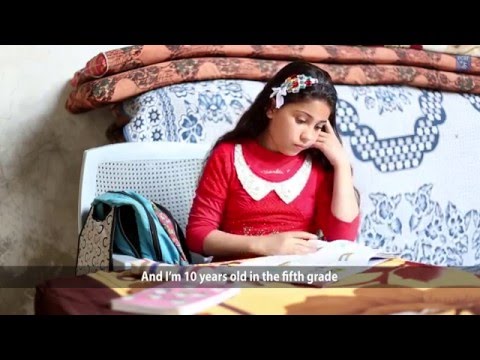
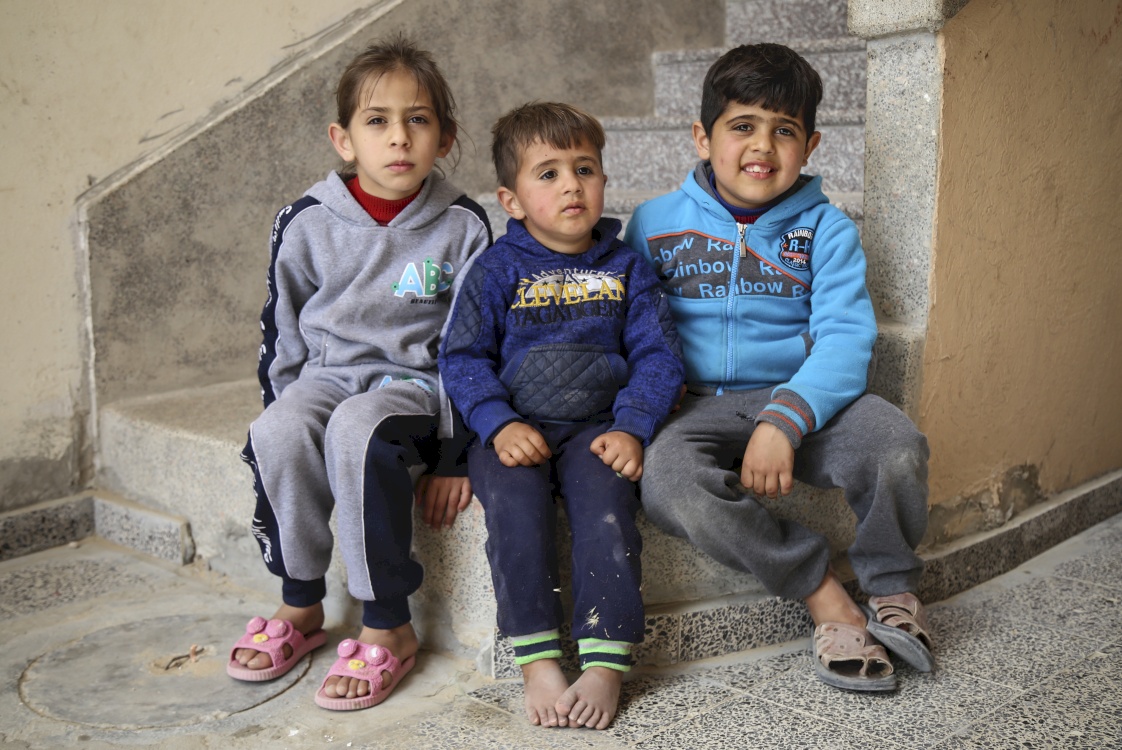
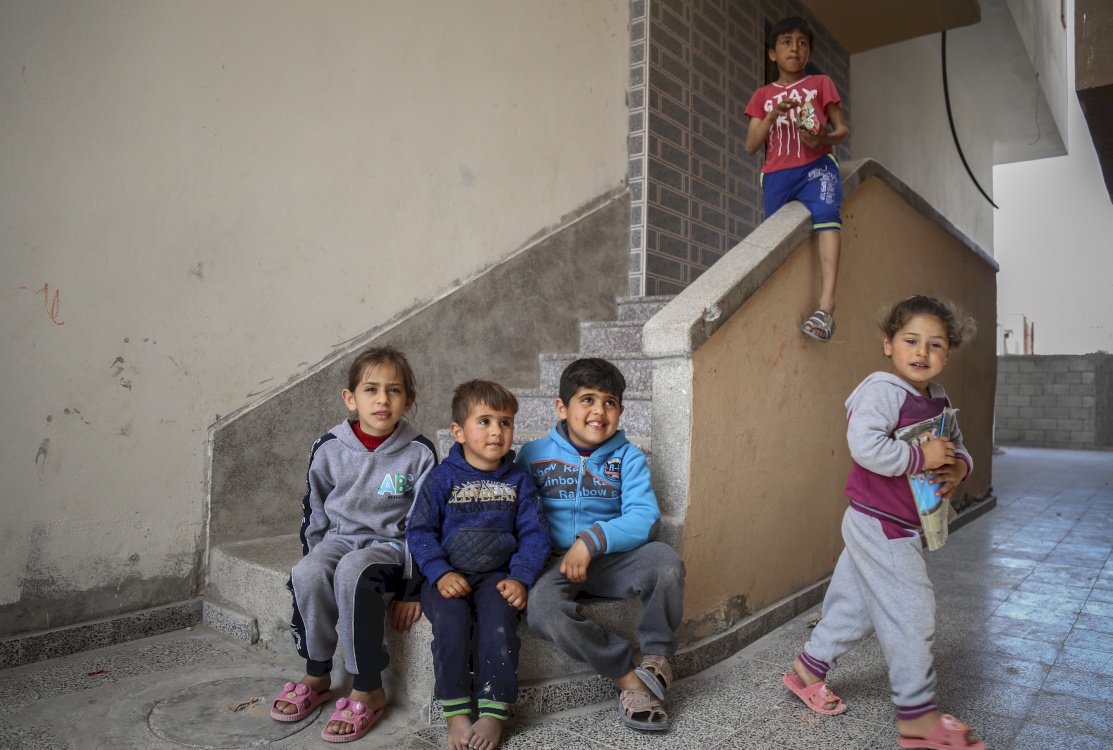
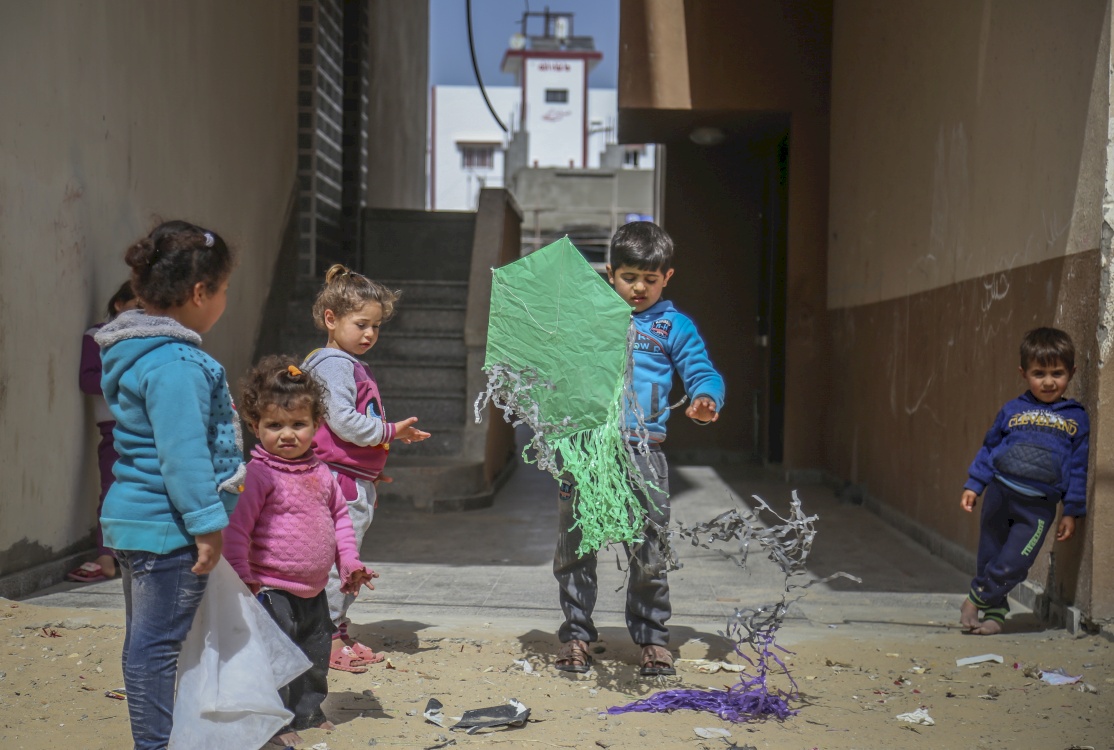
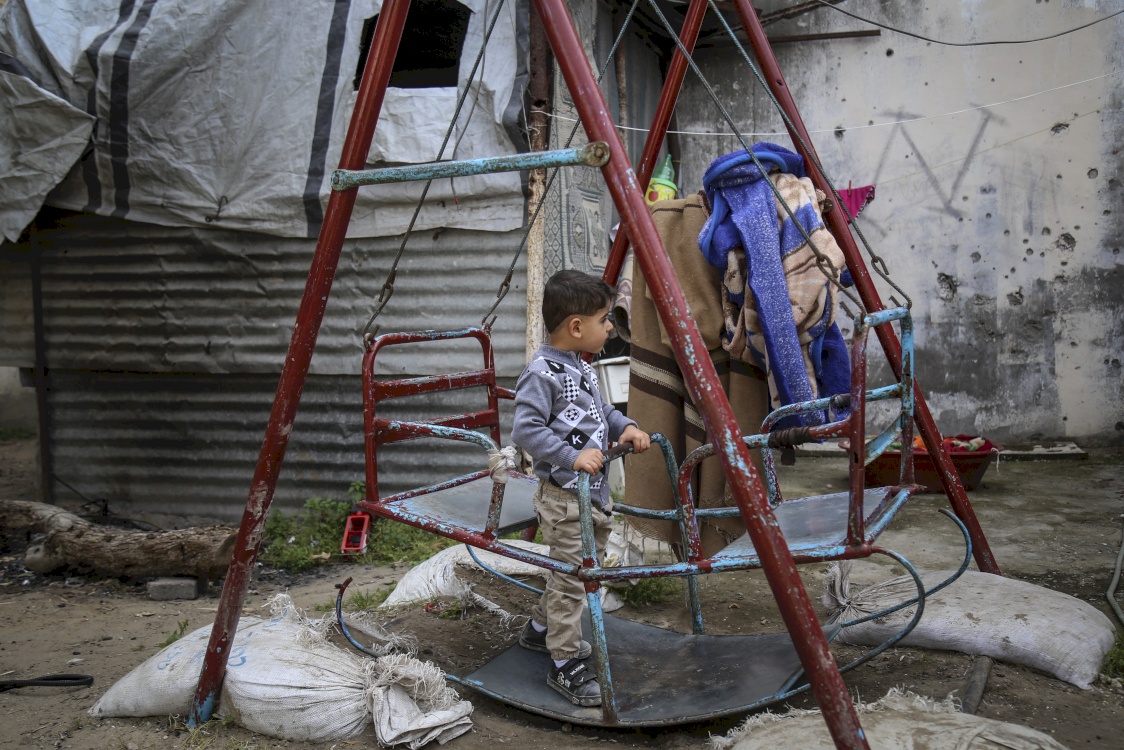
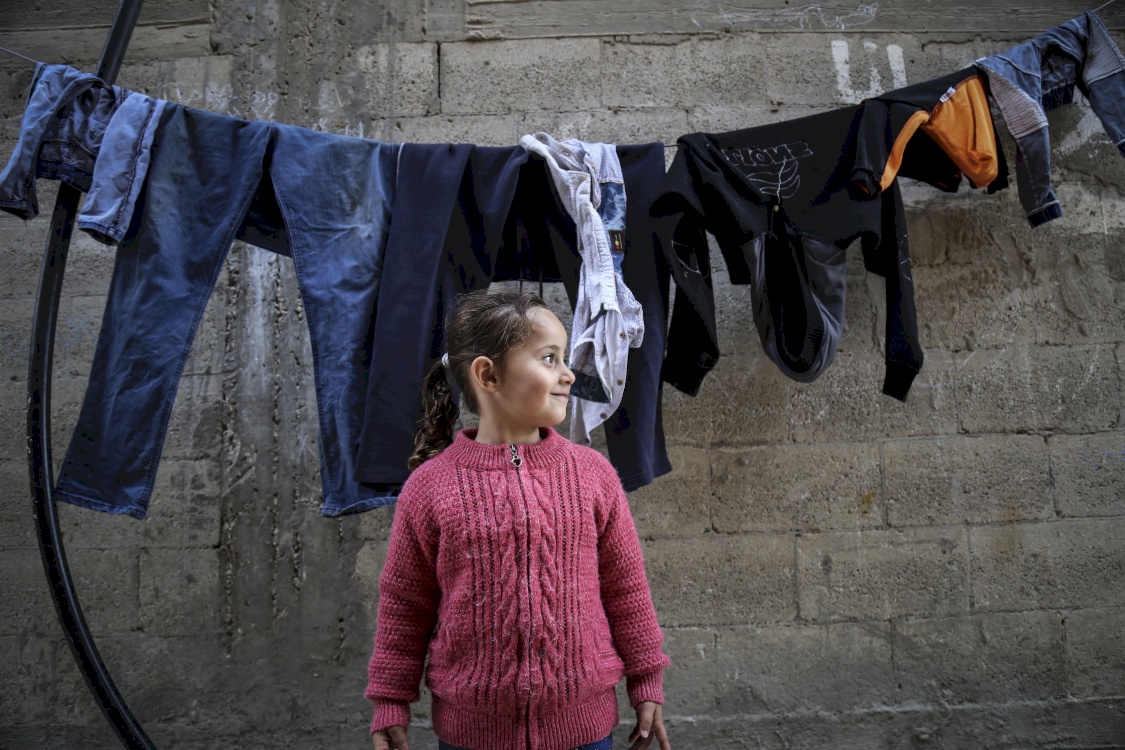
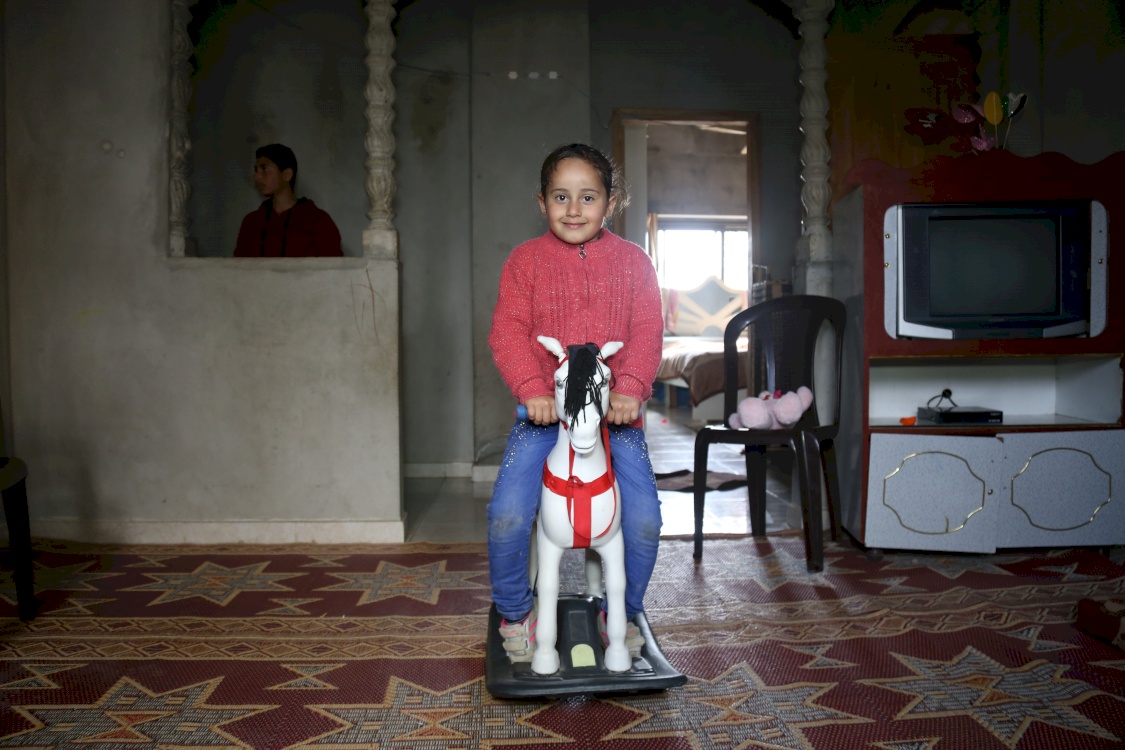
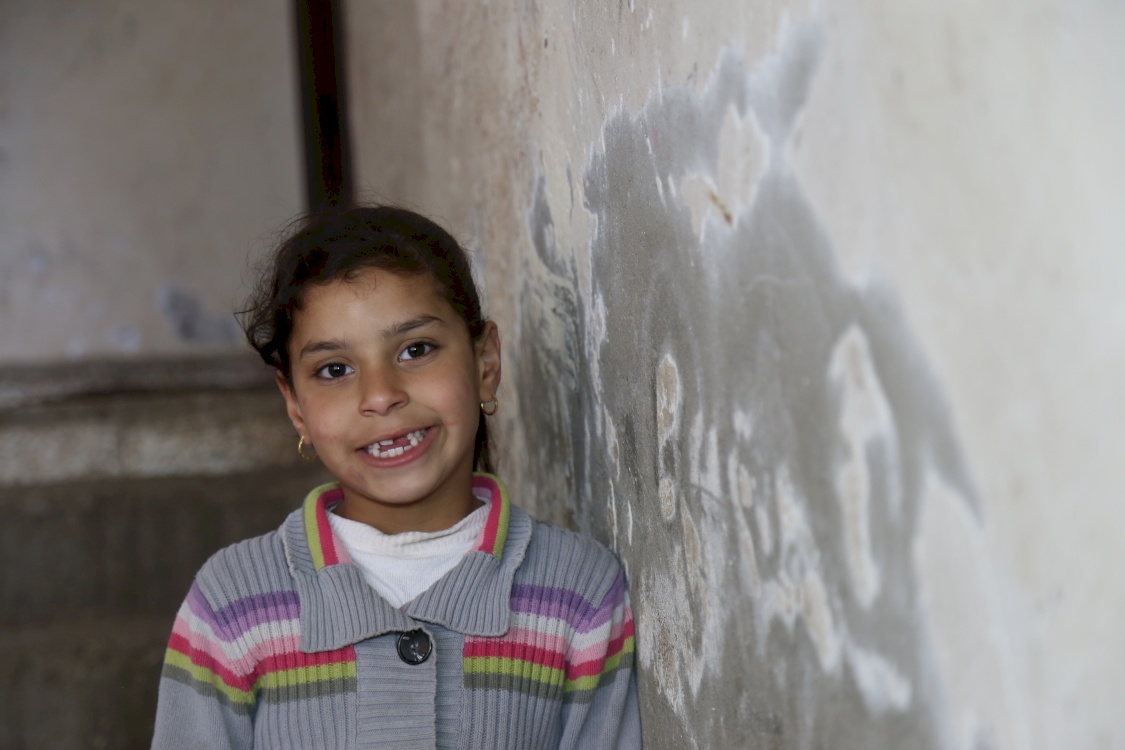
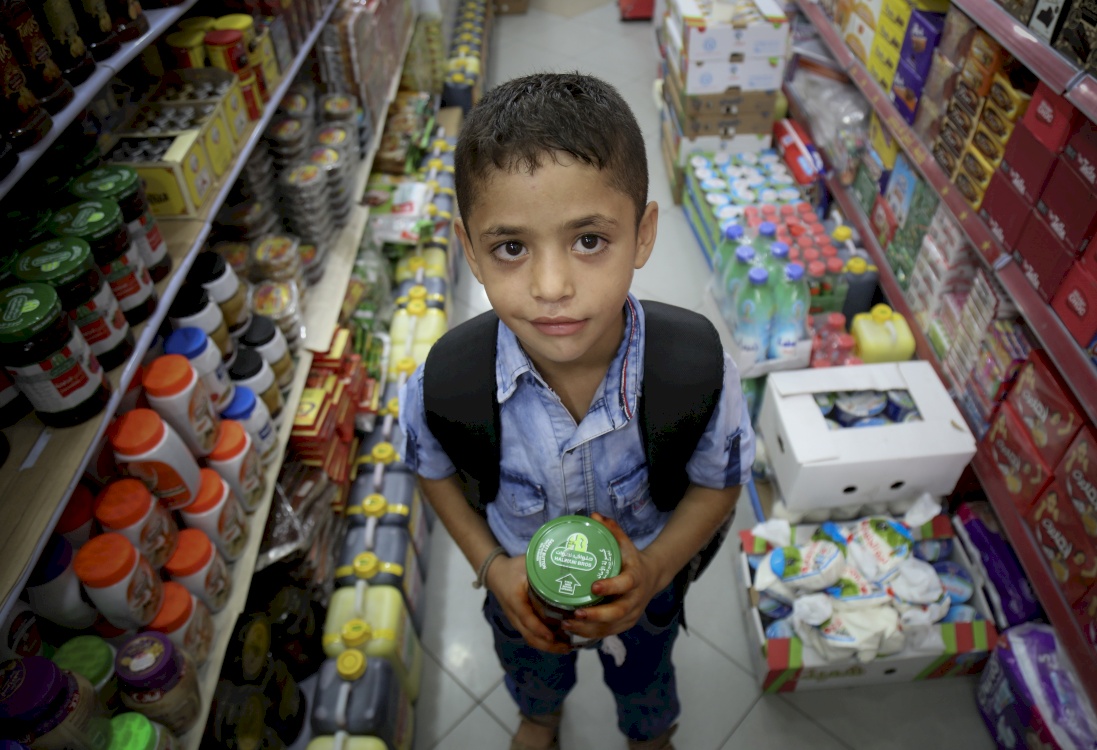
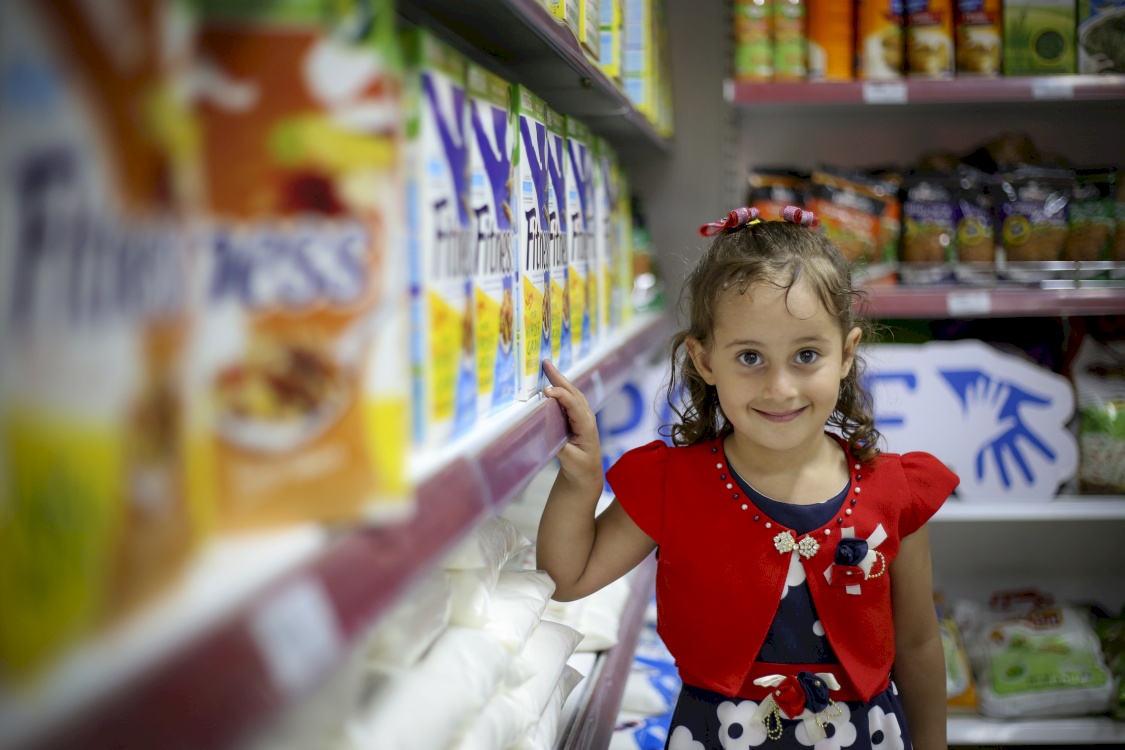
After the 2014 conflict in Gaza, hundreds of children were orphaned and left in desperate need of essential humanitarian aid, including food, medicine, and clothing. To address this urgent need, we established a comprehensive humanitarian program dedicated to ensuring the well-being and livelihood of orphaned children in Gaza.
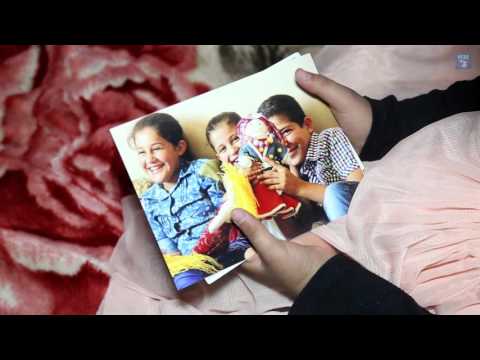
Through the generous support of our sponsors, PCRF field workers are able to provide these children with food, clothing, medicine, and other basic necessities. Our sponsors receive regular updates on the orphans they support, including photos and detailed progress reports, allowing them to see the direct impact of their contributions.
This program is part of our broader general fund for Emergency Orphan Care in Gaza. This fund allows us to respond swiftly and effectively to the needs of orphaned children in both regions, whether or not they have individual sponsorships. Contributions to this general fund help us support orphaned children through various programs and projects, ensuring that their immediate and ongoing needs are met.
By contributing to this general fund, you can play a vital role in providing all-around emergency care for orphans, offering them hope and stability in the aftermath of conflict.
This is why this program is so important to the lives of these children in Gaza
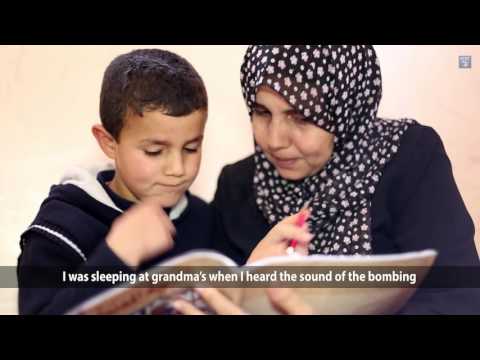
You can alleviate the worries of an orphan in Gaza by providing a monthly sponsorship of $150.
To Sponsor an Orphan, kindly provide your contact details, and a member from our team will get in touch with you.

We use cookies that are required for this website to function. By continuing to use the site, you agree to our: