Sending Injured and Sick Children Abroad for Free Medical Care
The humanitarian crisis in Gaza has reached unprecedented levels in 2025, with families facing severe shortages of food, medical supplies, and basic infrastructure. Emergency aid efforts focus on delivering life-saving assistance to a population struggling under immense pressure, where access to clean water, electricity, and healthcare remains critically limited. International relief organizations are working around the clock to coordinate aid deliveries, establish emergency medical facilities, and provide essential services to displaced families. The scale of need requires sustained global attention and immediate action to prevent further deterioration of conditions on the ground.
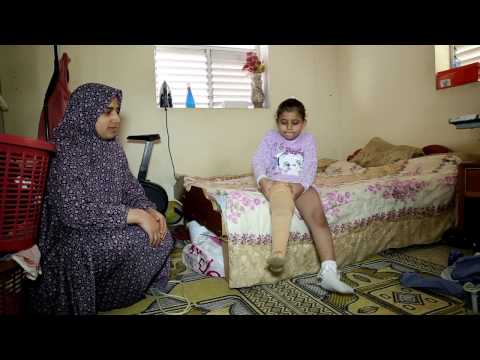
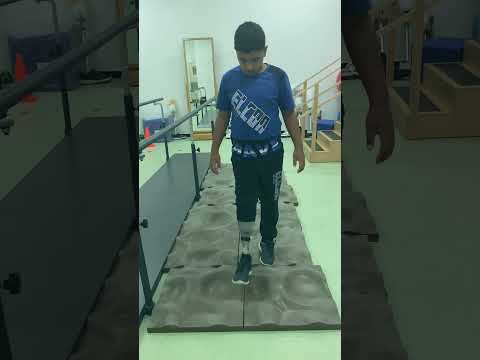
Gaza's emergency aid requirements span multiple urgent areas, from medical care to food security and shelter assistance. Healthcare facilities operate beyond capacity with insufficient supplies, while malnutrition rates among children continue to rise at alarming rates. Relief teams prioritize emergency medical interventions, trauma care, and the distribution of hygiene kits to prevent disease outbreaks in crowded conditions. Organizations like the Palestine Children's Relief Fund (PCRF) coordinate efforts to evacuate critically injured children for specialized treatment and deploy mobile clinics to reach isolated communities. Water purification systems, emergency food packages, and temporary shelter materials represent essential components of the immediate response, addressing the most pressing survival needs of Gaza's population.
Providing emergency aid to Gaza in 2025 requires both rapid response and long-term commitment to rebuilding essential systems. Donors can support various aspects of relief work, including medical supply chains, food distribution networks, mental health services for traumatized families, and educational programs for displaced children. Every contribution helps maintain the fragile lifeline connecting Gaza to the outside world, ensuring that aid reaches those most in need despite challenging access conditions. Supporting emergency relief efforts means standing in solidarity with families enduring unimaginable hardship and affirming their right to dignity, safety, and hope for a better future.


We are honored to have the support of influential voices who use their platforms to raise awareness for children’s health and humanitarian relief. From global celebrities to regional icons, their support helps us reach wider audiences, inspire action, and bring hope to those who need it most.
Success Stories